

How to Build a Sports Marketing Portfolio While in College
The sports industry is one of the most exciting, fast-paced, and competitive fields in the world. Every year, thousands of business and communications graduates throw their hats into the ring, dreaming of managing social media for elite franchises, landing million-dollar sponsorship deals for major athletes, or running global advertising campaigns for brands like Nike and Adidas. Because the competition is so fierce, simply having a high GPA or a standard business degree is no longer enough to guarantee an entry-level position. To stand out from the crowd, you need to prove you can do the job before you even get hired, which is exactly why learning how to build a sports marketing portfolio is the most critical step you can take during your university years.
Building a standout portfolio requires a massive investment of creative energy, deep market research, and practical application. Many students struggle to find the hours needed to build mock campaigns or analyze digital metrics because they are constantly overwhelmed by complex university coursework and tight deadlines. When your schedule gets packed with heavy theoretical projects, finding reliable marketing assignment help from an expert service ensures your grades stay high while you focus your energy on practical career skills. Utilizing MyAssignmentHelp allows you to delegate dense research papers and case studies, freeing up the vital hours required to design real-world sports marketing portfolio examples that capture the attention of top-tier hiring managers.
- The Anatomy of a Winning Sports Marketing Portfolio
A great portfolio is not just a digital scrapbook of sports photos or a collection of essays you wrote for class. It is a dynamic, visual proof of your strategic thinking, data analysis skills, and creativity. Think of it as your personal highlight reel for future employers. To make an impact, your portfolio should focus on solving real-world problems that sports franchises and athletic brands face every day.
When structuralizing your portfolio, you should aim to showcase a diverse range of skills. Instead of just focusing on one area, try to include assets that demonstrate your capabilities across multiple marketing disciplines.
Recommended Portfolio Component Breakdown
| Portfolio Section | Project Type Example | Core Skills Demonstrated | Visual Asset to Include |
| Digital & Social Media | 12-Week Fan Engagement Campaign | Content Creation, Analytics Tracking, Trend Awareness | Growth charts, sample grid layouts, caption copy |
| Brand Partnerships | College Athlete NIL Deal Strategy | Market Research, ROI Projection, Contract Analysis | Brand alignment matrices, audience demographic graphics |
| Event & Activation | Minor League Stadium Theme Night | Logistical Planning, Local PR, Consumer Promotions | Event blueprints, flyer designs, promotional schedules |
| Analytical Research | Consumer Behavior & Sneaker Culture Essay | Market Segmentation, Data Coding, Academic Rigor | Data tables, consumer persona cards, market infographics |
You can start by creating comprehensive mock campaign proposals. For example, you could pick a local professional sports team and draft a complete 12-week social media strategy aimed at increasing ticket sales among Gen Z fans. Break down the target audience, outline the visual content style, select the specific platforms to use, and define the key performance indicators (KPIs) you would track to measure success. Including these highly detailed marketing student portfolio tips shows recruiters that you understand both the creative side of advertising and the hard business numbers behind it.
Another high-value addition to your portfolio is a deep-dive analysis of current sports marketing trends, such as Name, Image, and Likeness (NIL) deals in college sports. Pick a rising college athlete and design a mock brand partnership strategy for them. Explain why a specific brand fits that athlete’s personal audience, outline the content deliverables across TikTok and Instagram, and project the potential return on investment (ROI) for the company. Presenting this information using clean charts, bullet points, and professional layouts proves you are ready to handle modern sports industry career advice and execution.
- Gaining Real-World Experience Before Graduation
You do not need to wait for a massive sports agency to hire you to start gaining actionable experience. In fact, some of the best portfolio pieces come from organic, grassroots initiatives you start right on your own college campus. Look around your university; the athletic department, club sports teams, and student-run sports media outlets are constantly looking for enthusiastic help to grow their digital presence.
Volunteering to run the social media account for a university club team is a goldmine for portfolio data. You can track engagement rates, design game-day graphics, and write post-game recap captions. After a few months, take a screenshot of your analytics dashboard showing how you grew the account’s followers or boosted post shares. This concrete data is exactly what turns a basic resume into a high-converting portfolio. It shifts the conversation with an employer from “I think I can manage social media” to “Here is proof that I grew a sports community’s engagement by 25%.”
Beyond campus, look for ways to gain exposure through structured sports marketing internship prep. Reach out to local minor league teams, sports complexes, or fitness startups in your area. Offer to help them write email newsletters, draft local press releases, or assist with event coordination for weekend tournaments. Even a short, three-week volunteer stint at a local sporting event gives you real event marketing experience to document in your portfolio, setting you up perfectly for entry level sports marketing jobs down the road.
- Overcoming the Time Crunch: Balancing Portfolio Building with Coursework
The biggest hurdle for any college student trying to build a professional portfolio is time. Between attending lectures, studying for midterms, participating in extracurricular activities, and maintaining a personal life, there are simply not enough hours in the day. Many students want to start building their portfolios but put it off semester after semester because their academic workload leaves them completely drained.
To break this cycle, you need to use smart business major study hacks and master college student time management. One of the best ways to maximize your time is to align your classroom assignments with your career goals. If a professor asks you to write a consumer behavior paper, do not pick a random topic. Write about the psychology behind sneaker culture or why fans stay loyal to losing sports teams. By doing this, you turn a mandatory school assignment into a high-quality piece of content that can be polished and added directly to your professional portfolio.
However, there will be weeks when the sheer volume of essays, group projects, and exam preparation makes it impossible to work on outside portfolio projects. During peak midterms or finals seasons, balancing sports and school becomes an intense logistical challenge that can cause severe burnout. When you find yourself drowning in overlapping deadlines, utilizing dedicated assignment help for students can provide the academic safety valve you need to stay afloat.
4. Setting Up Your Digital Portfolio for Maximum Impact
Once you have created your mock campaigns, analyzed sports data, and gathered your real-world metrics, you need a professional, easily accessible place to display your work. Sending a massive PDF attachment to a recruiter is outdated and inconvenient. Instead, you should build a clean, sleek, personal portfolio website using user-friendly website builders like Squarespace, Wix, or WordPress.
Your digital portfolio website should be incredibly simple to navigate. Keep your design professional by using a clean color scheme, high-quality images, and easily readable typography. Structure your site into three or four distinct sections: a brief “About Me” page that highlights your career goals, a “Portfolio” page categorized by skills (such as social media, brand strategy, or graphic design), and a “Contact” page with your email and LinkedIn profile link.
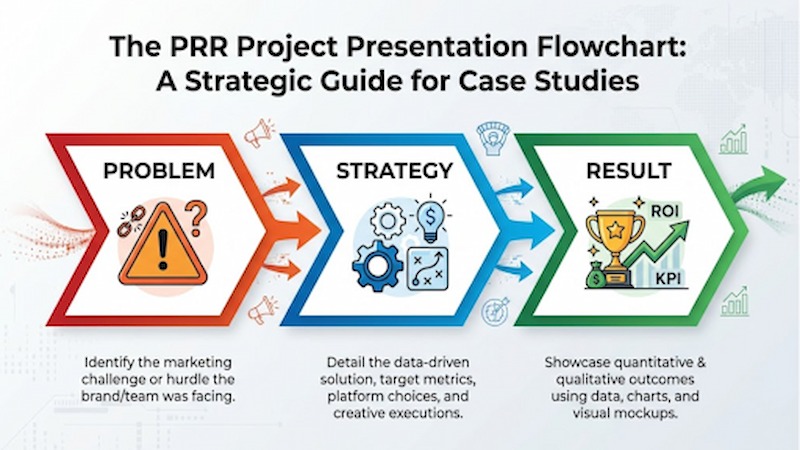
When displaying your projects on your website, always use a structured, analytical storytelling framework to explain your work. This ensures that a hiring manager can easily digest your thought process in under sixty seconds. The best method to achieve this is the PRR Framework (Problem, Strategy, Result), which breaks your marketing campaigns down into clear logical steps.
The Portfolio Project Presentation Framework
- Step 1: The Problem: Clearly state the marketing hurdle the brand or team was facing. (Example: “A local minor league baseball team struggled to fill stadium seats during weeknight home games, resulting in a 40% drop in ticket revenue.”)
- Step 2: The Strategy: Detail your specific, data-driven solution, including target metrics, platform selections, and creative content executions. (Example: “I designed a ‘Student-Discount Tuesday’ experiential campaign driven entirely by localized TikTok video promotions and campus influencer partnerships.”)
- Step 3: The Result: Showcase the quantitative and qualitative outcomes of your strategy using hard data, charts, or visual layout mockups. (Example: “The campaign generated over 50,000 local video views, resulting in a 22% increase in student ticket sales and a sold-out stadium section for three consecutive weeknights.”)
5. Advanced Strategies to Elevate Your Portfolio Above the Competition
To truly push your portfolio into the top tier, look for unique ways to display specialized technical skills. Modern sports marketing relies heavily on marketing automation, search engine optimization (SEO), and data visualization tools. If you can show that you know how to interpret complex audience insights, you instantly make yourself more valuable than applicants who only understand basic copywriting.
Consider adding a “Sports Market Analytics” section to your portfolio. You can use free web tracking tools or social media monitoring tools to analyze a major sports brand’s recent digital campaign launch. Create a data dashboard that tracks user sentiment, hashtag reach, and engagement velocity. Presenting your findings via clean, visual graphs proves to marketing directors that you are comfortable working with real data budgets and technical tools.
Furthermore, do not underestimate the power of written content authority. Writing insightful commentary pieces on sports business developments—such as analyzing the streaming rights shift from traditional television networks to platforms like Prime Video and Netflix—establishes you as a forward-thinking industry professional. Documenting these deep-dive thoughts shows you possess the high-level communications skills necessary for executive-level strategy execution.
6. Launching Your Career in the Sports Industry
Building a sports marketing portfolio while in college is a long-term investment that requires patience, consistency, and dedication, but the payoff is immense. The students who graduate with a live portfolio link proudly displayed on their resumes are the ones who skip the endless loop of entry-level rejection letters and move straight into active job interviews. Your portfolio acts as a living testament to your passion for the sports business and your willingness to work hard outside the classroom walls.
Once your portfolio website is live, do not just leave it sitting quietly on the internet. Share your individual project updates on LinkedIn, tag the sports business professionals and sports brand managers who inspire you, and include your custom portfolio URL link directly in your email signature, resume header, and digital professional bios.
Networking becomes infinitely easier when you have a comprehensive library of high-quality work to show people. Instead of asking busy professionals to simply “look over your resume,” you can confidently invite them to “check out your latest sports sponsorship ROI analysis.” By taking absolute control of your professional development today and matching your classroom theory with measurable creative execution, you transform yourself from a standard applicant into an invaluable asset that any major sports marketing team would be thrilled to hire.
Frequently Asked Questions
How long should a beginner portfolio be?
Aim for 3 to 4 high-quality projects. It is better to showcase a few deeply analyzed, professional campaigns than many superficial examples.
Can I include class projects in my professional showcase?
Yes, but polish them first. Remove academic grading rubrics and format them to look like real-world business proposals or industry presentations.
What is the best platform for building a free website?
Platforms like Wix, Squarespace, and WordPress offer highly professional, user-friendly templates that are perfect for displaying creative work.
Do I need formal internships to get an entry-level job?
Not necessarily. A data-backed portfolio featuring successful volunteer work and comprehensive mock campaigns can prove your skills just as effectively.
About The Author
Ella Thompson is a Content Strategist at MyAssignmentHelp. Passionate about educational growth and digital storytelling, she specializes in creating insightful resources that help students navigate complex academic landscapes and achieve their professional goals.
